
Tron in Crypto Gambling: Why It's Popular for USDT Deposits
A player in Manila tops up a gambling account at three in the morning. The transaction cost is one cent. The time from send to credit is twelve seconds. This is why Tron has quietly become the most-used rail for stablecoin deposits in the crypto casino world.
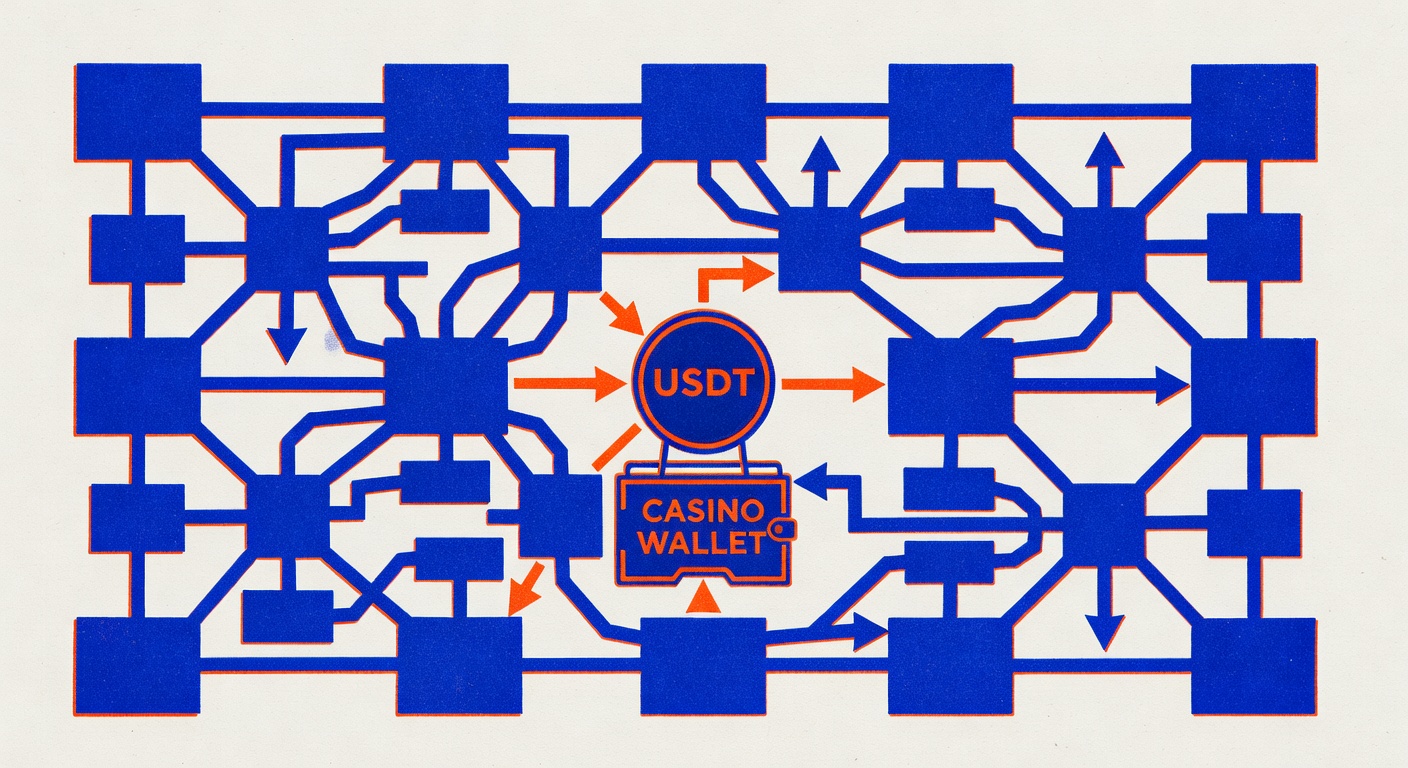
He is sitting in his apartment in Quezon City. It is three in the morning. He is on a losing streak in a live baccarat session he should have ended two hours ago. His balance on the casino site is twenty dollars. His phone is open to his exchange app. He tops up his casino wallet with a hundred dollars of Tether, or USDT, routed through the Tron network. The transaction confirms in under fifteen seconds. The fee is less than a cent. The balance is back up to a hundred and twenty.
This kind of transaction, at this kind of hour, has become the dominant deposit rail in the crypto casino world. Tron, a blockchain often dismissed by North American crypto media as a lesser network, is the quiet backbone of stablecoin gambling flows across Southeast Asia, Latin America, Eastern Europe, and parts of Africa. Understanding why matters, because the rail tells you something about who plays and why.
Tron was launched in 2017 by Justin Sun, a Chinese-born entrepreneur who had previously worked as the chief representative of Ripple in China. The network's stated mission was decentralized entertainment. Its early marketing was, by the standards of the industry, aggressive and often strange. What Tron actually became was something more useful and less glamorous. It became a cheap, fast, heavily used network for moving Tether.
Tether itself is a dollar-pegged stablecoin issued by the company Tether Limited, founded in 2014. Each USDT in circulation is, in theory, backed by one United States dollar held in reserve, though the composition of those reserves has been the subject of regulatory disputes. USDT is the dominant stablecoin by daily volume, and at any given moment, more USDT is moving on Tron than on Ethereum, Solana, or any other chain. As of early 2024, roughly half of all USDT in circulation lived on Tron.
What the scene was really about
Why does the crypto casino world lean so heavily on this particular combination? Three practical reasons.
The first is cost. Ethereum, the more famous smart-contract chain, charges fees that vary with network congestion. A USDT transfer on Ethereum can cost anywhere from two dollars on a quiet day to fifteen or twenty dollars during periods of heavy activity. For a recreational gambler making a fifty-dollar deposit, this is a dealbreaker. Tron's fees for the same transaction sit, at most times, below one cent. For a player making multiple small deposits a week, this is the difference between viable and not.
The second is speed. Tron produces blocks every three seconds. A USDT transaction is confirmed on-chain in roughly fifteen to thirty seconds, depending on how many confirmations the receiving platform requires. Ethereum block times are longer, and even after confirmation, casinos often wait for additional blocks before crediting the balance. For a player refreshing a browser tab during a live dealer session, the thirty-second Tron experience feels almost instant. The five-to-ten-minute Ethereum experience does not.
The third is geographic penetration. Tron's user base is concentrated in the very regions where crypto gambling has grown fastest. Tether on Tron is the de facto dollar for a large segment of users in the Philippines, Indonesia, Vietnam, Argentina, Brazil, Turkey, Nigeria, and Ukraine. These are markets where the local currency has experienced inflation, capital controls, or banking friction that makes traditional payment methods less attractive for online play. A user in Buenos Aires does not have a functional path to deposit Argentine pesos into an offshore casino. A user in Istanbul is blocked by Turkish banking restrictions from funding gambling accounts through card. A user in Manila can, technically, use local e-wallets for domestic operators but not for offshore ones. For all of them, USDT on Tron is the working rail.
The turn in the road
Crypto casinos understand this. Most operators that accept cryptocurrency offer Tron as a deposit option, and many operators now list USDT on Tron before any other currency, including Bitcoin. The deposit page, at a typical crypto casino, will usually show a QR code, a Tron address beginning with the letter T, and a minimum deposit amount of five or ten dollars. The user scans the address from their exchange or wallet, confirms the transaction, and waits for the credit.
There are risks, which bear saying. Tron is more centralized than its marketing suggests. The network's consensus mechanism, Delegated Proof of Stake, concentrates validation power in a small number of super representatives. Justin Sun himself has been the subject of regulatory actions by the United States Securities and Exchange Commission, which in 2023 filed charges alleging market manipulation and unregistered sales of Tron-related tokens. The network's long-term future is not guaranteed in the way that Bitcoin's or Ethereum's arguably is.
Further, USDT itself carries counterparty risk. If Tether Limited were to fail, or if regulators were to force redemptions, every USDT balance held at a crypto casino would become a question of how quickly the user could move out. Large USDT balances held with offshore operators are, in effect, a bet on the continued solvency and regulatory tolerance of Tether. That is not zero risk.
For the Manila player at three in the morning, these considerations are abstract. What he knows is that his deposit cleared, his balance is restored, and his next bet is one click away. The twelve-second confirmation time is the feature. The one-cent fee is the feature. And in the quiet arithmetic of the late-night session, those features are, almost always, what wins.