
The History of Live Dealer Gaming: From Studios to Streaming
Live dealer casino is the most radical reinvention the industry has pulled off in twenty years, and almost nobody talks about it. My thesis: we are living inside the slow-motion absorption of television production values into gambling, and the industry will never look the same.
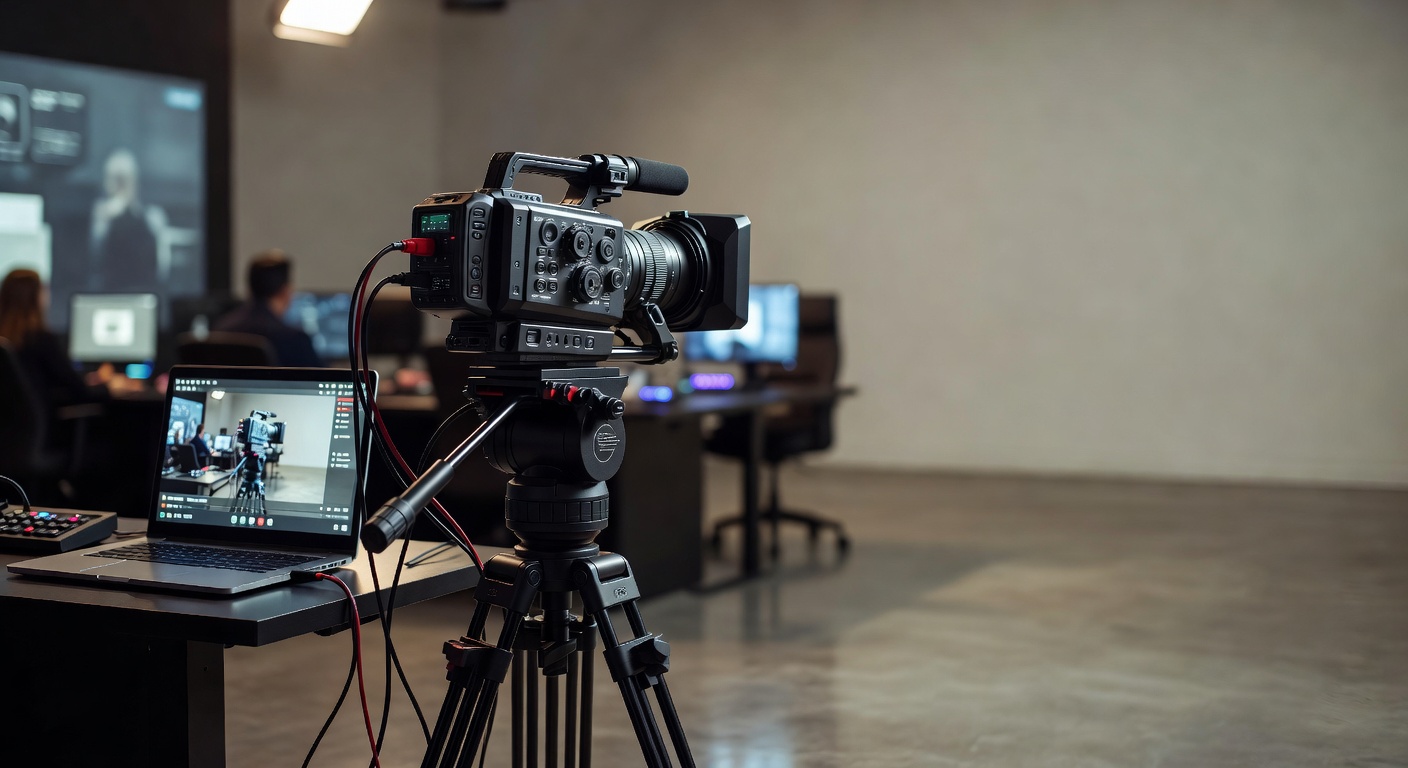
The thesis: live dealer gaming is not a nostalgic return to the old casino floor. It is a television production platform wearing a casino costume, and in the thirty years between the first streamed roulette wheel and the Crazy Time studios of today, the gambling industry has quietly been absorbed into the logic of broadcast media. Nobody in the industry talks about this honestly, because if they did, they would have to admit that the product is no longer primarily about cards and wheels. It is about presenters, lighting, set design, and retention through parasocial attachment.
The second paragraph, so there is no confusion about where I land: live dealer is the most significant structural change in online casino since the jump from Flash to HTML5, and we are barely halfway through understanding what it means for how people gamble. The casinos that figure out the television grammar first are going to own the next decade.
Here is the history, told fast.
The earliest attempts at live-streamed casino games, around 2003 to 2006, were technical curiosities. Playtech launched a live dealer product in 2003 running out of a studio in Riga. Evolution, now the dominant player, was founded in 2006, also in Latvia. The early feeds were low-resolution, the bandwidth strained, the dealers awkward. Players were a niche audience. Most online gambling money still went to RNG slot products because the math was tighter and the infrastructure simpler.
The shift came in two waves. The first wave, roughly 2010 to 2015, was driven by the maturation of webcam and streaming technology. Cheap HD cameras, faster residential bandwidth, better encoding codecs made it possible to stream a blackjack table to a player's iPad at high enough quality that the experience no longer felt like a broken-up amateur video. Evolution, Playtech, and eventually NetEnt Live, Ezugi, and Pragmatic Play Live built out studios in Latvia, Romania, the Philippines, Malta, and Georgia. The dealers were hired, trained in a month, supplied with scripts and earpieces, and put on cameras that ran twenty-four hours a day in shifts.
This was the studio phase. The production values were clean but modest. The sets looked like casino tables in office parks, which was exactly what they were. The product was a live version of blackjack, roulette, baccarat, and poker, and the appeal was authenticity: a real card shuffled by a real hand, a real wheel spun by a real croupier, broadcast to players who wanted something that felt less algorithmic than RNG software.
The second wave, roughly 2017 to the present, is the one almost nobody in the industry is being honest about. This is the phase where the casino product becomes a television product.
The inflection was Evolution's launch of Dream Catcher in 2017, followed by Monopoly Live in 2019 and Crazy Time in 2020. These games were no longer digital versions of land-based casino products. They were game shows. They had presenters (not dealers) wearing microphones and doing patter. They had set designs with moving parts, bonus rounds with branded intellectual property (Monopoly, Deal or No Deal), and prize wheels the size of a small car. The cameras cut between angles. The lighting was theatrical. The sound design was pop music and branded stings. The mathematical backbone was still a simple wheel-of-fortune structure with varying probability slices, but the wrapper was Saturday night television.
The players responded in a way the industry had not predicted. Crazy Time, within a year of launch, became one of the highest-grossing individual casino products ever made. It runs twenty-four hours a day from a studio in Riga. The presenters are minor celebrities in the livestreaming gambling culture. They have Instagram followers. Players come to the table specifically to watch specific dealers, the same way TV audiences watch specific hosts.
This is parasocial retention. It is the same mechanic that makes Twitch streamers valuable to gambling affiliate programs, but internalized directly into the casino product. The dealer is not incidental; the dealer is a draw.
The industry has followed. Pragmatic Live built out studios producing similarly theatrical formats. Playtech rebuilt its live portfolio around branded game shows. Evolution acquired NetEnt, Red Tiger, and several other studios, consolidating live dealer and RNG under a single umbrella, and now runs studios across at least six countries. The production volume is staggering. A single studio in Bucharest can have eighty tables streaming concurrently, in eight languages, to players in forty jurisdictions.
The counterargument, which I want to take seriously, is that live dealer is just the natural next step in online gambling UX, and the television grammar is incidental rather than central. Under this view, the product still sells because the math is the math and the cards are the cards; the flashy studio is just marketing. Players want authenticity, and the studios provide it. End of story.
This reading is wrong, or at least incomplete, for two reasons. First, the retention numbers on game show formats like Crazy Time are substantially higher than on standard live blackjack tables, and the average session times are longer. That is not a math effect; the math is worse on Crazy Time than on classic blackjack. It is a presentation effect. Second, the investment the studios are now putting into on-air talent development, set design, and branded intellectual property is not how you invest in a game product. It is how you invest in a television product.
The industry is building a content business and calling it a gambling business. The two things are merging, and the merger is going to reshape what we consider a casino over the next decade.
To see where this goes, watch three things:
- Streamer-native live games. Evolution has begun experimenting with hybrid products where popular streamers co-host live tables with professional dealers. This is the fusion point.
- Regional production variety. Studios in the Philippines, Georgia, and Argentina now produce content for specific language markets (Mandarin, Russian, Spanish), customizing presenters and set design for regional audiences. Television logic applied to gambling.
- Vertical integration. Evolution owning NetEnt is not a gambling consolidation. It is a studio consolidation. The long-run analog is less the Strip casino conglomerate and more the Hollywood production model.
The steelmanned version of the skeptical take, one more time: maybe this is a fad. Maybe live dealer is a peak that will recede as younger players migrate to fully mobile, short-form slot experiences and the whole studio infrastructure becomes a boomer product. Possible. But the numbers do not yet suggest it. The growth curves on live dealer revenue have continued to compound into 2025. The studios keep expanding. The game show formats keep multiplying. The production values keep rising.
Thirty years from the first grainy feed in Riga, the product is no longer live casino. It is cable television with a cashier attached. The dealers are hosts. The games are shows. The players are audiences. If that does not count as a fundamental reinvention, I do not know what would.