
How to Set Up 2FA on Your Casino Account
Two-factor authentication is the single most effective anti-theft step you can take on a gambling account. Here are the common claims about it, and what the data actually supports about which method to use.
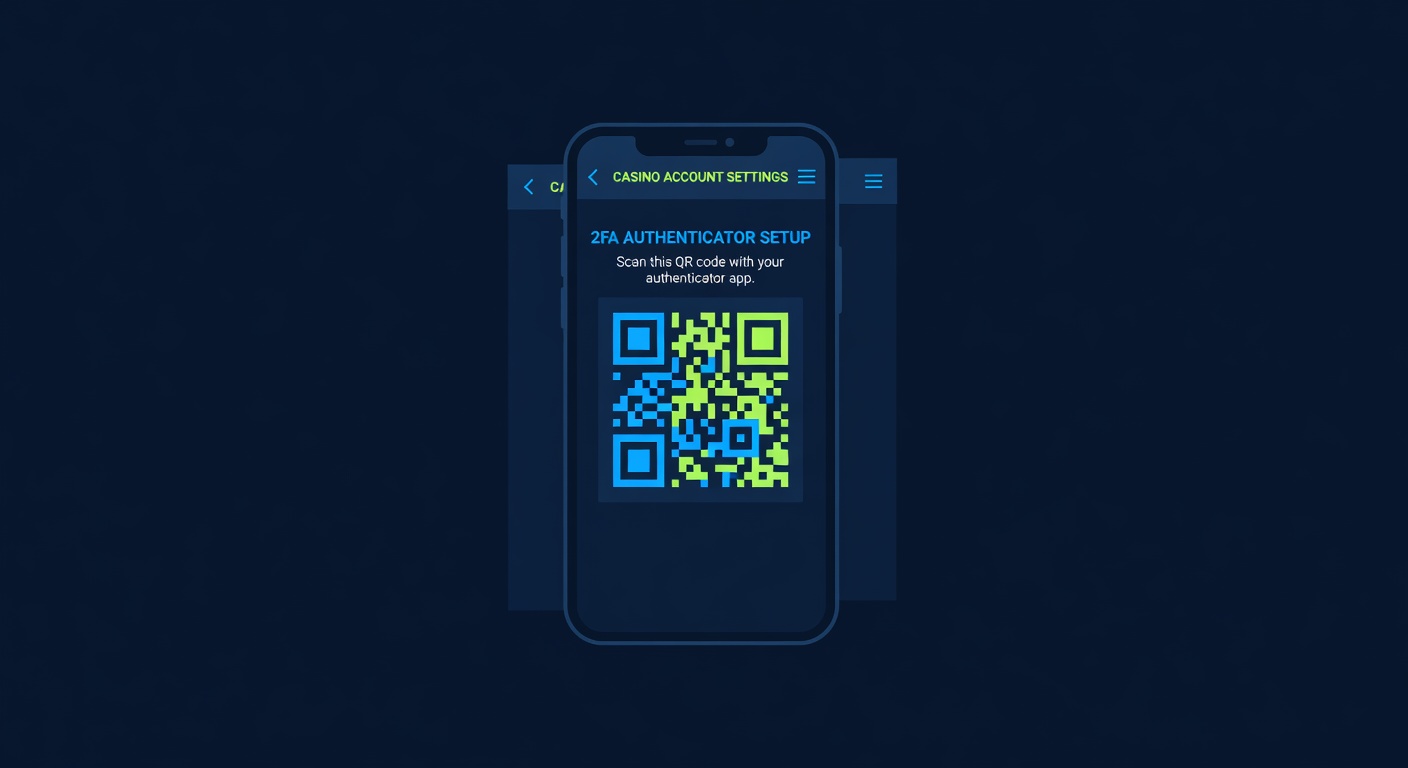
Two-factor authentication (2FA) is the single most effective account security step you can take on a casino. It's also the one with the most marketing confusion attached to it. Let me sort what's real from what's security theater.
Claim: 2FA makes your account uncrackable
Reality. 2FA makes account takeover harder, not impossible. It specifically defeats the most common attack vector (reused passwords from other breaches) but does not defeat all attacks.
Attacks that still work against 2FA-protected accounts:
- phishing with real-time relay (attacker gets your 2FA code the moment you enter it)
- SIM swapping (attacker takes over your phone number and receives SMS codes)
- malware on your device that intercepts 2FA codes
- session hijacking after you've authenticated
That said, Microsoft's 2020 security report indicated that 2FA blocks 99.9% of automated account takeover attempts. For recreational casino players, the upside is enormous relative to the 30 seconds it takes to enable.
Claim: SMS 2FA is as good as app-based 2FA
Reality. SMS 2FA is meaningfully weaker than app-based 2FA. The specific weakness is SIM swapping, where an attacker convinces your phone carrier to port your number to their device. Once done, all SMS codes arrive at the attacker's device.
Incidents per year of SIM swap attacks in the U.S. have risen from roughly 300 reported cases in 2018 to over 2,000 in 2022, according to FBI IC3 reporting. High-value targets (crypto holders, for example) are disproportionately affected, but any account tied to a high-balance service is a potential target.
App-based 2FA (Google Authenticator, Authy, 1Password, etc.) generates codes on-device, which removes the SMS channel entirely. This is the recommended method when available.
Claim: You can use the same authenticator code on multiple accounts
Reality. False. Each site generates its own 2FA secret key at setup. The authenticator app stores multiple site-specific keys, each producing different codes. A code generated for Site A is not valid on Site B.
This is also why losing your phone without backup codes can lock you out of an account entirely. The secret key is on the device, not in the cloud (unless you're using a syncing authenticator like Authy or 1Password).
Claim: Hardware keys (YubiKey, etc.) are only for enterprise users
Reality. Hardware security keys are the strongest consumer 2FA method available and work well for casino accounts that support them. A YubiKey costs around $40-50 for the baseline model and provides phishing-resistant authentication via FIDO2/WebAuthn.
Current casino support for hardware keys is limited. A few crypto-native casinos support them (Stake and some others have added WebAuthn). Most fiat casinos are still on SMS or app-based 2FA. This is a gap in the market that will probably close over the next few years.
Claim: 2FA backup codes are a security weak point
Reality. Backup codes (usually 8-10 one-time use strings provided at 2FA setup) are a necessary part of a recoverable setup, not a weakness. The concern is how you store them.
Sensible storage options:
- password manager (1Password, Bitwarden) in a separate entry from the account credentials
- printed copy stored securely at home
- encrypted file on a device you control
Not sensible: saving backup codes in plain text on the same device that also stores the account password, in an email draft, or on a Google Keep note synced to an active cloud account.
A compromised backup code is functionally equivalent to a compromised 2FA. Treat them accordingly.
Claim: 2FA is required by regulators
Reality. Varies by jurisdiction. UK Gambling Commission guidelines effectively require account security measures including 2FA options, but don't mandate user enablement. Malta Gaming Authority has similar requirements. U.S. state gaming commissions have inconsistent requirements, often requiring operators to offer 2FA but not mandating player use.
Regulation is moving in the direction of requiring it. A growing number of operators now default-enable 2FA at signup, which is the correct approach.
Claim: 2FA protects your funds if the casino itself is hacked
Reality. 2FA protects your login from being compromised externally. It does not protect against operator-side breaches where attackers gain access to the casino's backend systems.
In 2022 and 2023, multiple gambling operators suffered data breaches affecting customer data but not fund access. A properly designed operator holds funds in systems separate from the account login layer, so a compromised login does more damage than a compromised database.
Still, 2FA is the specific defense against the most common attack (credential theft) that does directly drain funds.
How to actually enable it
Typical flow on a modern casino account:
- Log in to your account. Navigate to Account Settings or Security.
- Find "Two-Factor Authentication" or "2FA."
- Choose your method. App-based (preferred) or SMS.
- For app-based: scan the QR code with Google Authenticator, Authy, or your password manager.
- Enter the first generated code to confirm.
- Save backup codes. Write them down or store in a password manager.
- Test by logging out and logging back in.
The process takes 3-5 minutes. If the casino you're using doesn't offer 2FA at all, that's a signal about the operator's security posture. Consider whether you want funds sitting in that account.
Claim: You should enable 2FA on deposits, too
Reality. This is a legitimate feature some operators offer: require 2FA for each deposit and withdrawal, in addition to login. It's optional, and adds friction, but it eliminates the attack where a thief gains session-level access and quickly drains the account.
For high-balance accounts, per-transaction 2FA is worth the extra clicks. For low-balance play-money accounts, it's arguably overkill. Match the friction to the risk.
Claim: Biometric login is the same as 2FA
Reality. Fingerprint or face-ID login is a single-factor authentication method, not two-factor. It replaces the password with a biometric check; it doesn't add a second independent factor.
Combined with a password or a 2FA code, biometrics can serve as one of the two factors. Alone, they're not 2FA. Many users confuse this.
The strongest casino 2FA setup today: app-based 2FA (or hardware key if supported), backup codes stored in a password manager, plus per-withdrawal 2FA enabled. That's roughly 10 minutes of setup for years of much-reduced risk.
The summary
2FA genuinely works. App-based is better than SMS. Backup codes are necessary but must be stored carefully. Hardware keys are best where supported. The setup takes under 10 minutes and eliminates the most common way accounts get drained.
If your casino account is worth more than $100, enable 2FA today. If it isn't, you probably shouldn't be using a casino account at all.